
ADHD Pharmacological Treatments: Clinical Applications, Mechanisms, and Safety Protocols
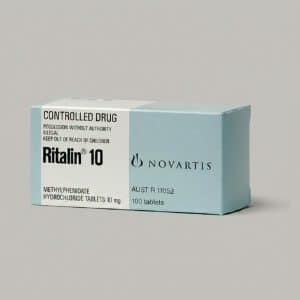
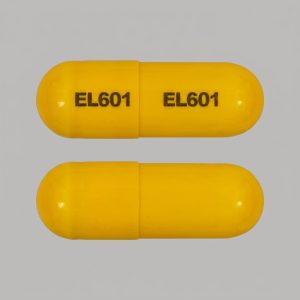
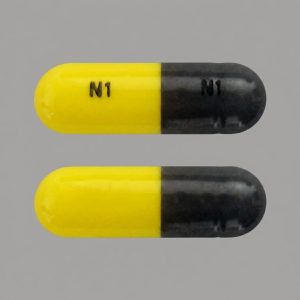
Attention-Deficit/Hyperactivity Disorder (ADHD) is a neurodevelopmental condition characterized by persistent patterns of inattention, impulsivity, and hyperactivity. The cornerstone of pharmacological treatment for ADHD involves Central Nervous System (CNS) stimulants, most notably amphetamines (e.g., Adderall) and methylphenidate (e.g., Ritalin). This clinical guide outlines their primary indications, mechanism of action, and critical safety guidelines.
Primary Therapeutic Uses
ADHD medications are prescribed to target specific cognitive and behavioral symptoms, helping patients achieve baseline executive functioning:
- Inattention and Focus: Stimulant medications are highly effective at increasing attention span, improving task persistence, and reducing distractibility in both pediatric and adult patients.
- Hyperactivity and Impulsivity: By regulating neurotransmitter activity, these medications help mitigate excessive restlessness, fidgeting, and impulsive decision-making, leading to calmer and more regulated behavior.
- Narcolepsy: In addition to ADHD, these CNS stimulants are frequently prescribed to treat narcolepsy, helping patients manage excessive daytime sleepiness and maintain wakefulness.
The Pharmacological Mechanism: How It Works
While it may seem counterintuitive to prescribe stimulants for hyperactivity, these medications work by targeting the brain’s executive functioning centers—specifically the prefrontal cortex.
CNS stimulants operate primarily by increasing the synaptic concentrations of two key neurotransmitters: dopamine (associated with reward, motivation, and attention) and norepinephrine (associated with alertness and energy). They achieve this either by blocking the reuptake of these neurotransmitters or by stimulating their direct release into the neural synapses. This amplified chemical signaling “wakes up” the under-stimulated areas of the ADHD brain, allowing for improved self-regulation, focus, and impulse control.
Essential Safety and Dosage Parameters
Due to their high potential for misuse, major ADHD stimulant medications are classified as Schedule II controlled substances. Close medical supervision and precise dosing are mandatory.
- Cardiovascular Risks: CNS stimulants can elevate blood pressure and heart rate. They are generally contraindicated for patients with advanced arteriosclerosis, symptomatic cardiovascular disease, or moderate to severe hypertension. Routine cardiovascular monitoring is recommended during treatment.
- Risk of Dependency and Misuse: Prolonged, unsupervised, or off-label use carries a high risk of physiological and psychological dependence. Abrupt discontinuation after heavy use can lead to severe withdrawal symptoms, including extreme fatigue and clinical depression.
- Common Side Effects: Patients frequently report appetite suppression, insomnia, dry mouth, and transient weight loss. To mitigate sleep disturbances, these medications are typically administered early in the day.
Clinical Disclaimer: The information provided in this article is strictly for educational purposes and is not a substitute for professional medical diagnosis or treatment. Always consult with a licensed healthcare provider or pharmacist before starting, modifying, or terminating any pharmacological treatment.